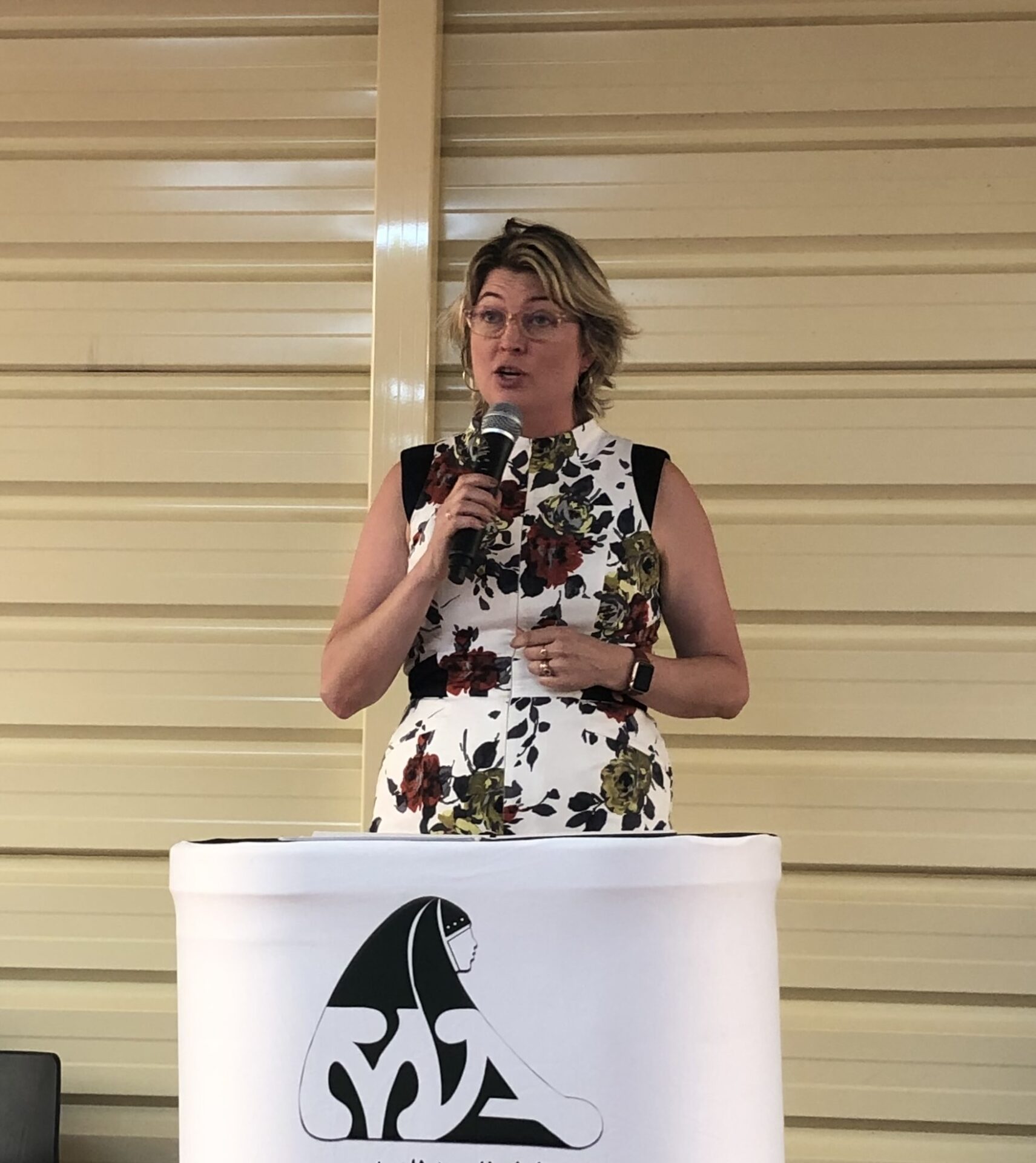
Growing up in Cowgate in Newcastle in the United Kingdom, she lived with the shame that comes when poverty is treated as a private failure: something caused by bad choices or not trying hard enough. But the chance to travel to the Pine Ridge Reservation and live in community on the land of the Oglala Sioux tribe revealed something else. On the other side of the world, in a place that looked utterly different, she found many of the same patterns of hardship, racism and exclusion.
That realisation helped Sara reinterpret her situation: not as private shame, but as experience shaped by public forces.
Later, as an adult in Newcastle, working as a community organiser, she helped others make a similar move. Low-paid workers began by describing what poor wages meant in their private lives. But as those stories were shared, a wider pattern came into view and became the basis for public action to win living wages.
Her story reveals the paradox clearly: what feels most personal is often shaped by larger public forces, and when people recognise that together, they can begin to hold those forces to account and change the standards that govern public life.