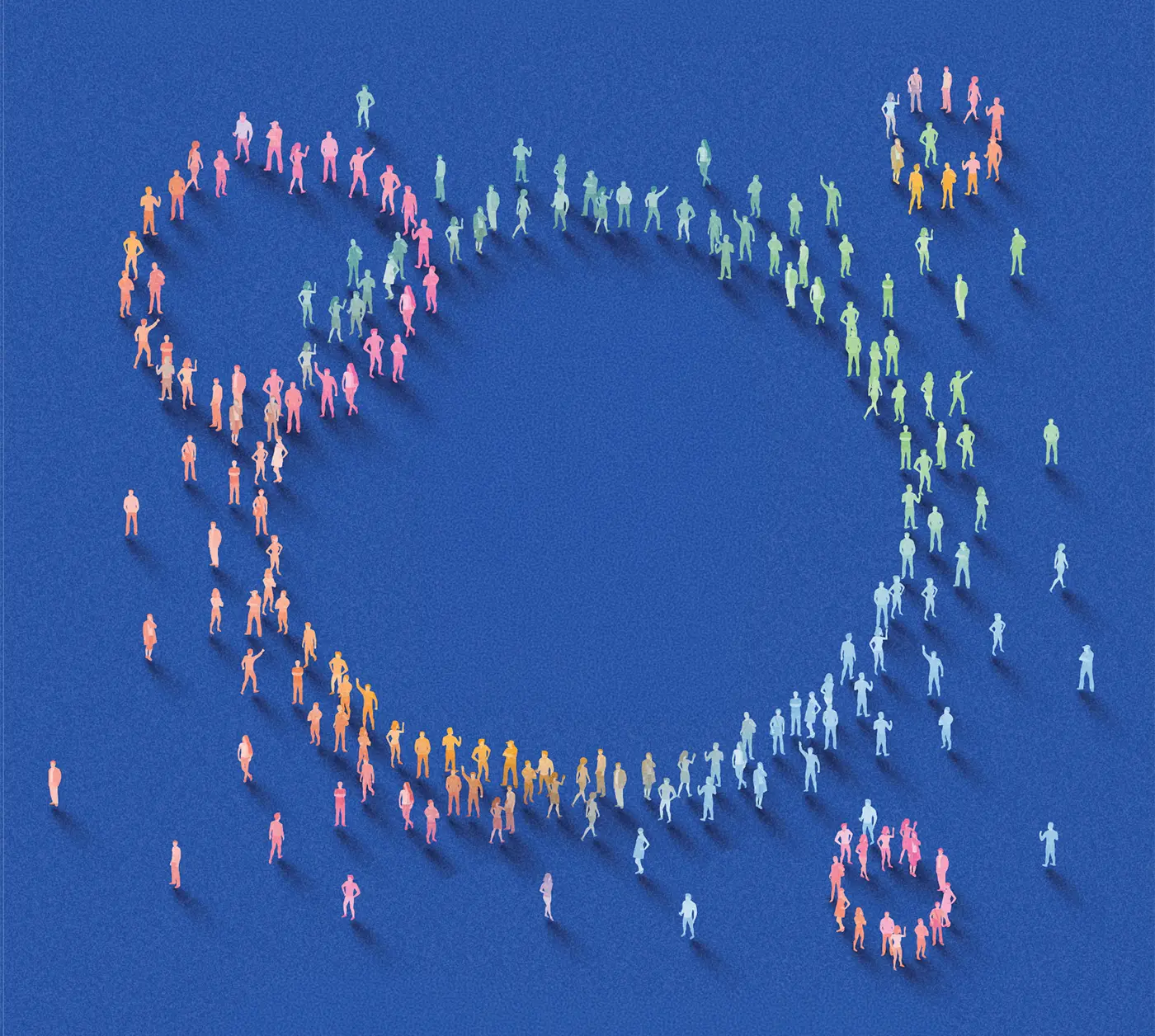
Us and others
We make a difference with others. The way our tribes build enough sameness to act shapes their power to act.
On this page:
|
|
|
|
|
|

The paradox
SWe do not make a difference alone. We do it with others, through tribes.
A tribe is any group of people who come together to build power to make a difference in public life. Some tribes are formal organisations, like unions, schools, community groups or churches. Others are smaller or less obvious: a parents’ group, a tenants’ group, a workplace committee, a cooking class, or a classroom. What makes them tribes is not their size or status, but that they create enough shared purpose, belonging and form to hold people together so they can act.
Tribes matter because they are a bridge between our private lives and the public world. They help us make sense of what is happening around us, respond with others, and discover that we have more agency together than we do on our own. We matter to our tribes too, and how consciously we act with others helps build their power.
Tribes build power by connecting us with others through a shared sense of sameness. To create a sense of “we”, tribes create boundaries — whether stated or unstated — about who belongs, what they are for and how people take part. The task is not to deny these boundaries, but to become conscious of how they are made, who they serve and how they change.
The shape of the paradox:
Tribes turn relationships with others into the power to act together.

What needs rethinking?
This starts with thinking more broadly about the groups that can make a difference, and more honestly about what they require. We can make a difference beyond big organisations, but tribes still need boundaries to create purpose, belonging and commitment. Tribes depend on sameness — but not in the sense of uniformity. Their strength comes from building enough common ground to act together while making room for differences within the group.
It also means thinking bigger about what it means to make a difference. We need tribes to shape public life, but tribes also shape us. In working with others, we do not only change the world around us; we are changed in the process.
It is easy to think too narrowly about how change happens with others. We can put too much faith in large formal institutions, as if making a difference depends on joining the right organisation and letting it act for us. Or we can swing the other way and place too much hope in loose networks, temporary mobilisation or online connection, as if strong action can be sustained without durable relationships, boundaries or accountability. Tribes sit between these extremes: more grounded than a loose network, but broader and more varied than conventional institutions.
Because boundaries can exclude and hierarchy can be abused, it can be tempting to see both as problems in themselves. But a tribe needs some shape if it is to build trust, make decisions and act with purpose. Boundaries help define who the tribe is for, what it is trying to do and how people belong. Leadership can help hold responsibility, develop others and keep a group moving. The task is not to eliminate boundaries or authority, but to make them more conscious, accountable and open to challenge.
It is easy to think a tribe’s identity is settled: who it is, what it does and how it works. But tribes are always being made and remade. Their sense of sameness shifts as public life changes, as new people join, and as differences are recognised and negotiated. A tribe needs enough sameness to hold together, but not so much rigidity that it cannot grow, adapt or be changed by the people within it.
Connections across the map


Public and private
Tribes turn private pressures into shared public action that can address the source of those pressures.

Power Over and Power With
Tribes build power with others to challenge unequal power dynamics in public life, while staying alert to the risk of power over inside their tribe.

Curiosity and Judgement
When tribes make space for curiosity alongside judgement, they make it easier to stay in relationship amid disagreement.


Action and Reflection
Tribes act to make a difference, but need reflection to learn from action and to act more consciously.
Acting consciously
Tribes are built through relationships, but relationships need enough form to last. What makes a tribe different from a loose network is that its relationships are ongoing, accountable and two-way, rather than fleeting or one-sided. Acting consciously means paying attention to how those relationships are formed and sustained, and valuing their quality over structure or scale.
A conscious tribe pays attention to the many forms of sameness that hold it together. That sameness is built through what the tribe does, who is involved and how it works together, giving people enough common ground to belong, contribute and act.
But sameness needs care. If it is too thin, relationships weaken; if it is too rigid, difference gets flattened, exclusion deepens and the tribe loses strength. A tribe’s sameness is dynamic, held in tension with differences both within the group and in public life.
A conscious tribe is thoughtful about its boundaries. Without some sense of inside and outside, a tribe struggles to build commitment, clarity of purpose, and accountability. But boundaries do not only live in formal rules. They also operate through language, habits, culture and informal norms that shape who feels they belong.
The task is not to erase boundaries or feel guilty about them, but to hold them consciously: clear enough to give the tribe focus, flexible enough to avoid hardening, and open enough that today’s outsider may become tomorrow’s ally. This also means building relationships beyond those boundaries, with allies and other tribes.
Tribes are not immune from the power dynamics in public life. Navigating these dynamics means sharing power with others, so leadership becomes a way of developing others rather than simply directing them. It also means treating decision-making and action as matters of power, responsibility and accountability — shaped by context and relationships rather than blind faith in hierarchy, consensus, rules or formal process. The way a tribe works with power internally can shape not only its public impact, but also the strength and agency of its members.
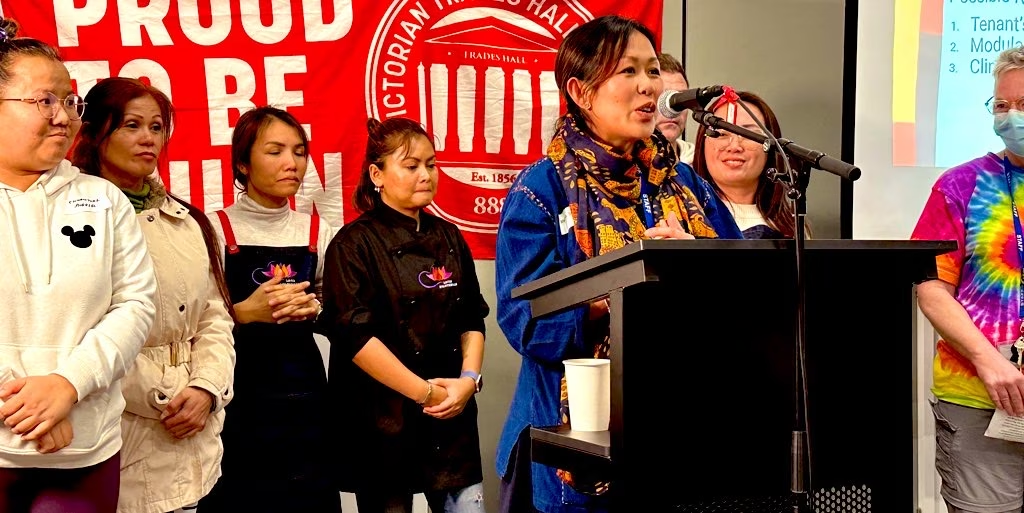
Issara Saeyim and Lotus Kitchen
Issara Saeyim’s story in Chapter 3 traces a movement from help to agency.
Questions to Sit With
Sitting in the tension
- In what ways does this picture of tribes challenge your thinking? What possibilities does it open up, and what limits do you see?
- What groups are you already part of — at work, online, in your community or elsewhere — that might have more power and potential than you first assumed?
- How has being part of a tribe helped you act in public life, and how has it changed you?
Navigating sameness and difference in your practice
- What gives your tribe its sense of sameness? Is it clear in what you do, who is involved and how you work together?
- Where do your boundaries create clarity, commitment and belonging, and where might they exclude people without you noticing?
- How does your tribe make room for different roles, experiences and contributions without losing its common ground?
- Do people in your tribe grow in capacity — or just participate?
- What would it mean to strengthen this tribe in practice: deepen relationships, clarify purpose, widen participation, rethink boundaries, or rethink how decisions and responsibility are shared?
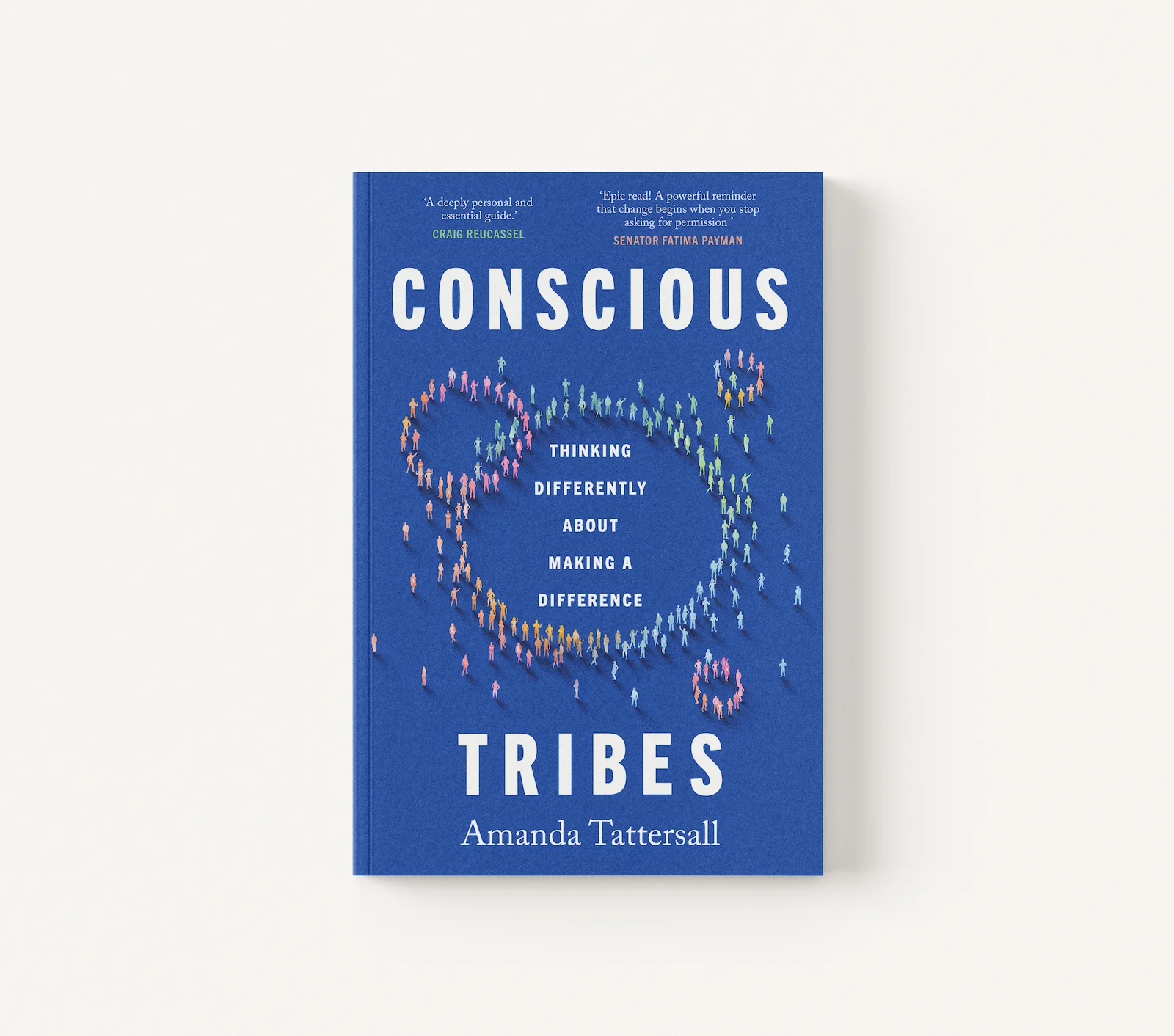
From the book
Tribes create a sense of sameness by making choices about what they hold in common and, by necessity, setting boundaries around who and what they are for. There is no sense of sameness in the abstract; it is generated when a tribe distinguishes its “we” from “they”. But just because tribes build power through a sense of sameness is not to suggest that the people in a tribe are the same. The art of working together is not about treating contributions as identical, but recognising that each person has something distinct to offer in making the group work as a whole.
Putting it into practice
Online Training: Relational Meetings
Lorem ipsum is placeholder text commonly used in the graphic, print, and publishing industries for previewing layouts and visual mockups.
Online Training: Power Analysis
Lorem ipsum is placeholder text commonly used in the graphic, print, and publishing industries for previewing layouts and visual mockups.