
Power Over and Power With
Power is not only what is done to us. It is also what we can build together.
On this page:
|
|
|
|
|
|

The paradox
Power has a bad name, and not without reason. Across history, those with power have often used it to dominate, exclude and control. But when this becomes our whole picture, power starts to look like something others have and we lack.
The dictionary defines power as the ability to act. It is not only something used by the powerful; it is something we can build and exercise with others. In public life, power is what makes things happen. To make a difference, we need more than good ideas or strong principles — we need enough power to change our situation or build something new.
Power is hard to describe in practice. Community organisers often summarise it as “organised people” and “organised money”. These are not the only forms power takes, but they remind us that when power is unevenly spread, it can still be built.
This is what makes power a paradox. Power over is power used to control, dominate or act on others. Power with is the shared capacity to act that grows when we build relationships, organise in tribes and act together.
Power over and power with are not opposites, but forces held in tension throughout public life. Understanding them helps us see what we are up against when we try to make a difference, while reminding us that we can also build power with others.
The shape of the paradox:
Power can harden into control or grow through relationship.

What needs rethinking?
Rethinking power starts with seeing it as a two-way dynamic: contested, relational and buildable. But as appealing as power with might sound, it is not the absence of conflict. It is an ongoing practice of shared, accountable power built with others.
The task is not to avoid power — in public life broadly or in our tribes. We need to build enough power to address the power imbalances we face, while holding that power accountable so it does not become another form of control.
We often treat power as purely domination: something held by monarchs, billionaires, bosses and political leaders. It makes power seem so big and all-encompassing that there is little room for anyone else to act. If power is only what others wield against us, we can begin to believe that change is impossible. Too much focus on power’s bigness can obscure the smaller openings where it might be contested. Instead of recognising our own agency, we can slip into waiting for politicians, NGOs or experts to act on our behalf.
Good ideas, sound evidence, moral clarity and broad participation all matter. But none of them are enough on their own. Public life is not changed simply because we are right, have a better argument, or bring more people into the room. To make a difference, tribes need more than moral outrage or inclusive process: they need to build organised, accountable power with others.
We can assume that power operates as a simple moral divide: bad actors use power over, while good tribes naturally practise power with. But tribes are not democratic or accountable simply because their cause is just. Power is a paradox across all of public life — including inside our tribes. Tribes can act over people, act for them rather than with them, or hide unaccountable power behind participation, service or virtue. Power with is not guaranteed by good intentions. It has to be built and maintained through accountable relationships so it does not harden into control.
Connections across the map

Big and small
Power scales through smaller relationships, decisions and openings; small acts matter when they connect to wider public power.

Public and private
Power dynamics in public life shape private life, and private pressures can become a basis for building power with others.

Us and Others
Our power grows when we act with others in tribes, but tribes must decide how that power is shared, built, used and held accountable.

Curiosity and Judgement
Power shapes our judgements about how power should be used; curiosity helps us question what power normalises, hides or makes hard to see.

Sameness and Difference
Sameness can build power with others, but it can become power over when it does not also make room for our differences.

Action and Reflection
Power needs action to shift public life and reflection to keep that action accountable.
Acting consciously
Seeing power as contestable means recognising that power does not only shape the pressures we face; it can also be built with others to challenge them.
It starts with understanding how public life is shaped by power. The challenges in our lives are rarely ours alone, and they are rarely random. There are patterns to how power works and who it favours. Tools like the Three Circles help make those patterns visible, showing how the market, the state and the community shape each other and the pressures in our lives.
But these patterns are dynamic, not one-directional. Understanding how power works in your context is the first step in imagining how it might be contested. Tools like power mapping help us identify bigger and smaller players, potential allies and decision-makers, and where leverage might lie.
Seeing power as contestable reminds us that feeling powerless is not the same as being powerless. Even when power is stacked against us, we can build relationships and find openings where shared power can grow. As people build power together, their appetite for bolder change often grows.
Building power and using power are not the same thing. Building power is the slower work of developing relationships, building leadership and analysing power. Using power is when that capacity is exercised to influence a decision, negotiate an outcome or force a response. Acting consciously means being clear about which task is needed when.
Without noticing, tribes can let electoral timelines, crises and public battles decide when they build power and when they use it. If action is not having enough effect, a tribe may need to return to the slower work of strengthening relationships inside and beyond itself. While it is usually helpful to build power before you use it, shifts in public life can create openings that may pass if they are not seized. The discipline is to be strategic about timing: to know when to build power, when to use it, and how to do both in ways that strengthen rather than deplete the tribe.
Tribes do not build power simply because their members care about a cause. They build power through how they work with others. Relationships are the foundation of power with, but strong relationships are not built only on shared purpose. They also depend on understanding what makes us different: our distinct experiences, challenges and strengths. The stronger a tribe’s relationships, the greater its capacity to hold conflict, disagreement and difference.
It can be tempting to judge tribes by their structure — assuming that a flat, horizontal structure using consensus shares power best, or that a formal organisation with elected leaders does. But structure alone does not answer the deeper question: how is power being held to account? Hierarchical organisations can ignore members between elections, while horizontal organisations can produce a tyranny of structurelessness that leaves informal authority figures unaccountable.
Power with is not niceness. It includes disagreement, tension, radical candour, correction and shared responsibility. Accountable tribes build relationships strong enough to ask hard questions, involve people in decisions that affect them, and stop leadership from curdling into control.
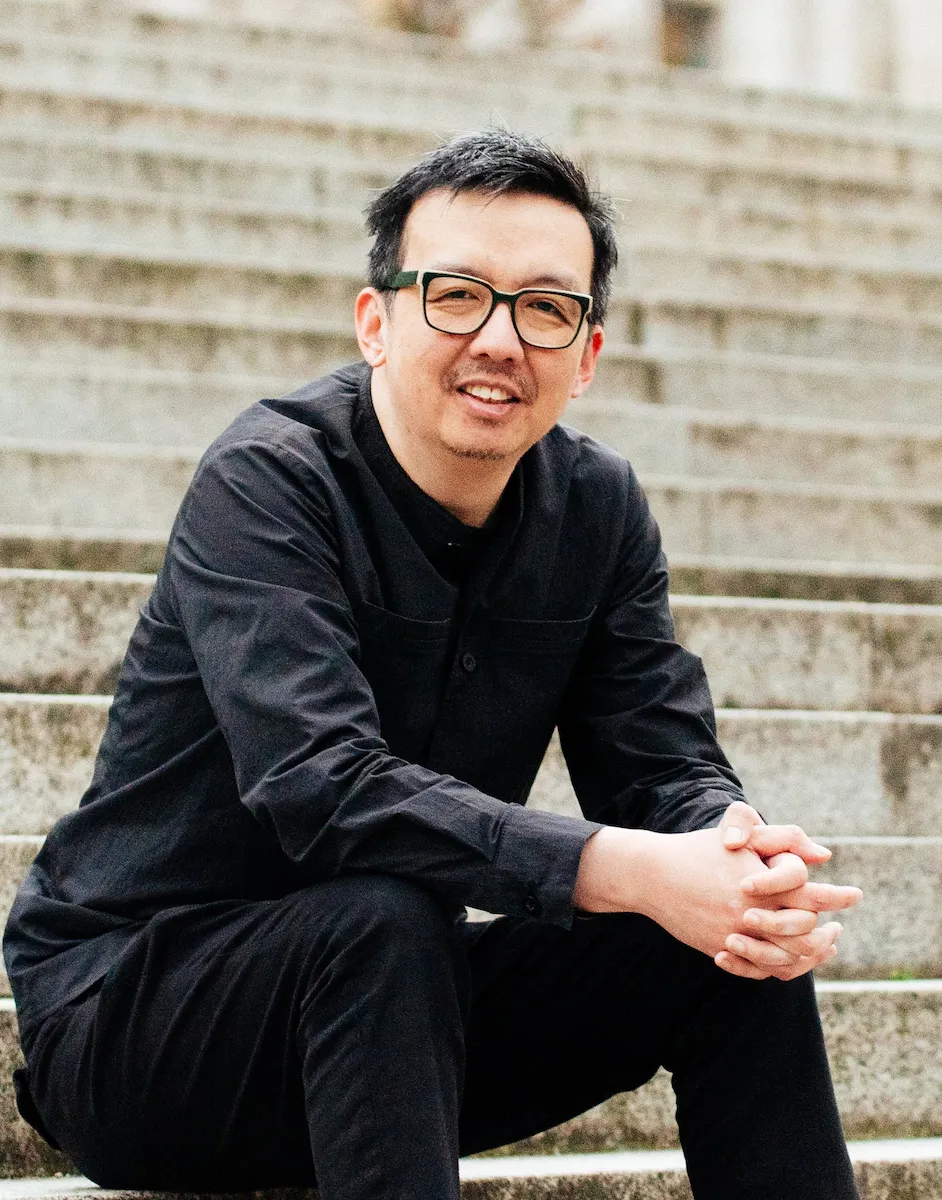
Samuel Chu and the Lithium Mining Coalition
Samuel Chu’s story in Chapter 5 recalls a workshop he ran in Imperial Valley, California, where a local union-community coalition was wrestling with how to respond to a significant expansion in lithium mining led by Berkshire Hathaway.
Questions to Sit With
Sitting in the tension
- What do you really think about power, powerful people and powerful tribes? What experiences have shaped those views?
- What opens up when you think of power not only as domination, but as something people can build together?
- When you work with others, how do you share power? Where might you be developing other people’s leadership, and where might you be holding it back?
Navigating power over and power with in your tribe
- How does the tension between power with, power over and exercising power for others show up in your tribe — in decision-making, leadership, accountability, participation and how people’s capacity is built?
- How does your tribe make time to read the changing dynamics of public life, and consider what they mean for your members, purpose and wider community?
- How does your tribe navigate building and using power? Where do you make time for each, and where does the pressure to use power distract from the slower work of building it?
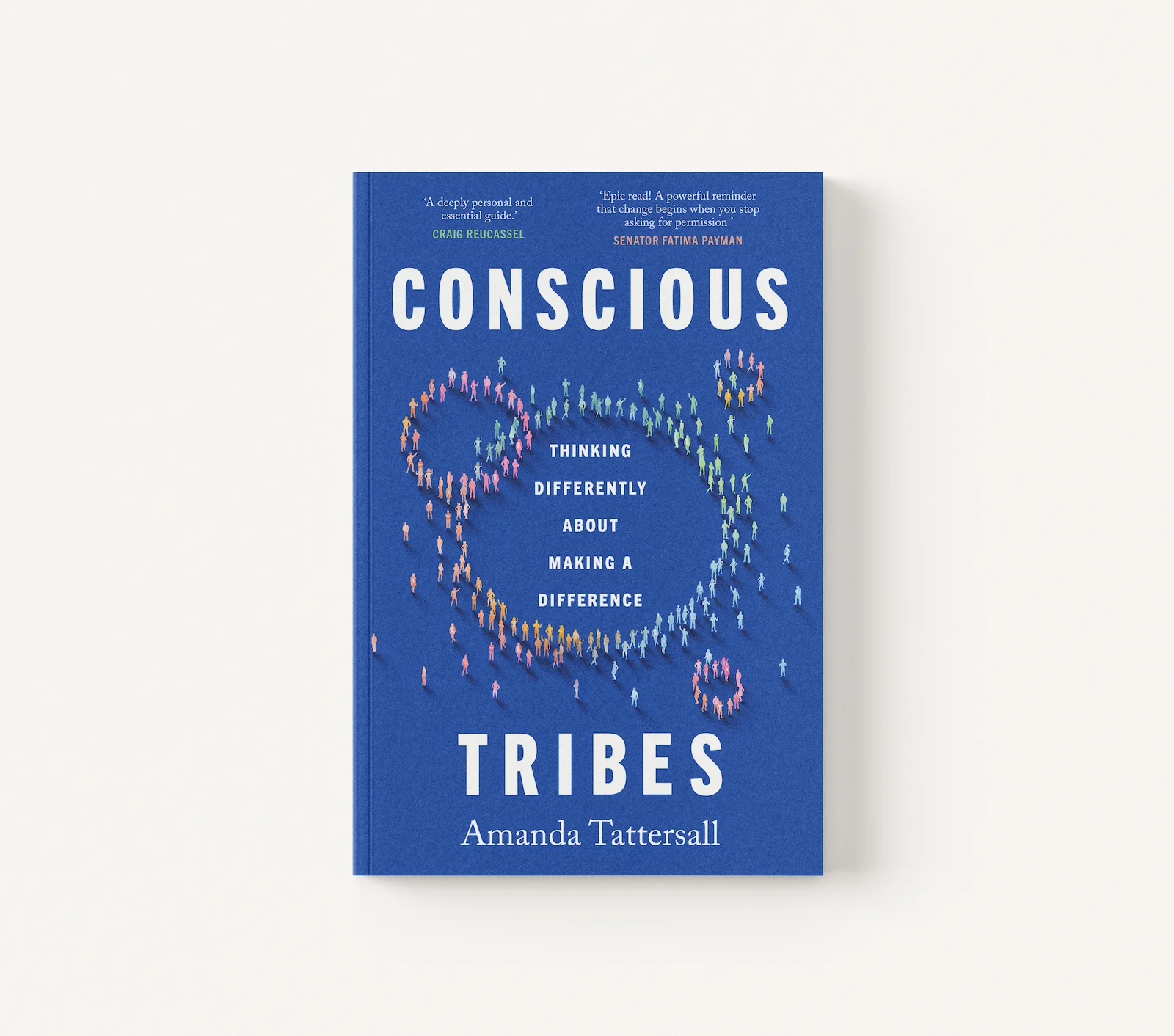
From the book
I’m using the word ‘power’ here in the same way the dictionary defines it: the ability to act. Framed this way, power sounds uncontroversial — even desirable. Who doesn’t want to be ‘able to act’? Power, in this sense, includes our relationships, especially those in our tribes, money, resources and formal authority, but is also shaped by less tangible forces like our capacity to tell a compelling story or the context in which we find ourselves.
Seeing power as a paradox between ‘power over’ and ‘power with’ gives us a foundation for thinking differently about power. While power can be used abusively, that doesn’t mean that all power is abusive. Back in the 1600s, early Enlightenment philosopher Baruch Spinoza proposed that power had simultaneously positive and negative qualities, using two Latin words that both mean ‘power’ to express them: potentia, the ability to make things happen, and potestas, the tendency to assert control over things.
Putting it into practice
Online Training: Relational Meetings
Lorem ipsum is placeholder text commonly used in the graphic, print, and publishing industries for previewing layouts and visual mockups.
Online Training: Power Analysis
Lorem ipsum is placeholder text commonly used in the graphic, print, and publishing industries for previewing layouts and visual mockups.