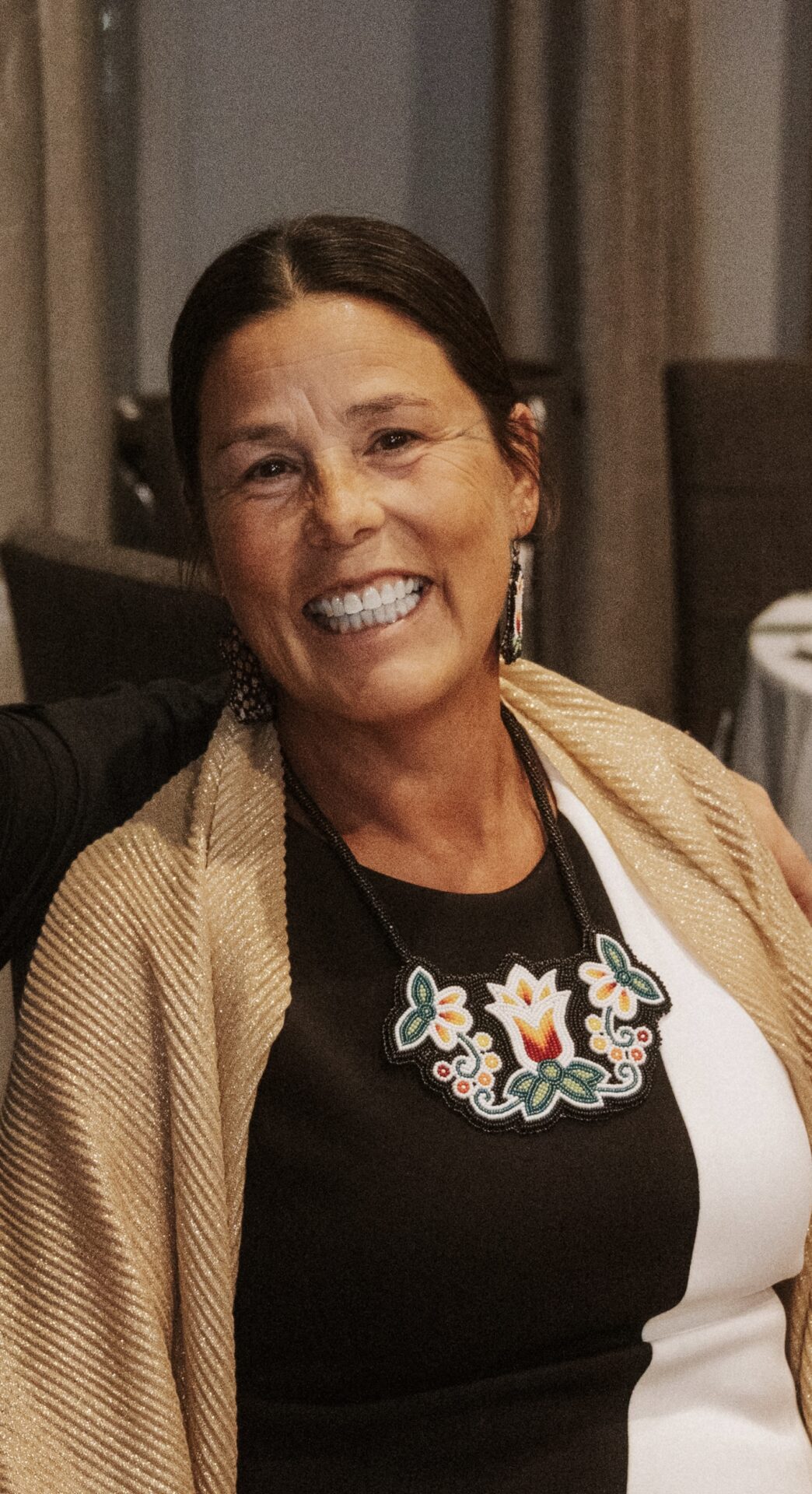
Kisê-Pîsim is Nêhiyaw and a community organiser. Chapter 6 explores our relationship: how we had common ground as organisers, but also a real disagreement about my use of the word tribe. That disagreement could not be treated as a minor language choice. It sat inside histories of colonialism, Indigenous knowledge, power and responsibility.
Curiosity mattered because I had to listen, learn and be willing to be wrong rather than pretend the question did not matter. But judgement also mattered. I was writing a book, making choices about its title and argument, and trying to be clear about what I meant.
We set expectations for how we would talk and how the disagreement would be held. I had to do my own learning, rather than place that labour on Kisê-Pîsim, and take responsibility for the final decision. Curiosity did not remove power from the relationship; it made power something we had to notice.
The relationship did not deepen because judgement disappeared. There were strong judgements on both sides. Some were opened up by curiosity; some did not change, or not in the way the other person might have wanted. The relationship held because curiosity and judgement were both present: open enough to be challenged, clear enough not to abandon ourselves, and patient enough to let each of us be changed.
“Just because we’re building a bridge doesn’t mean I have to believe or act according to your world, or vice versa. But we can find places that bring commonality, and be respectful of one another, so that we can work together.”
— Kisê-Pîsim